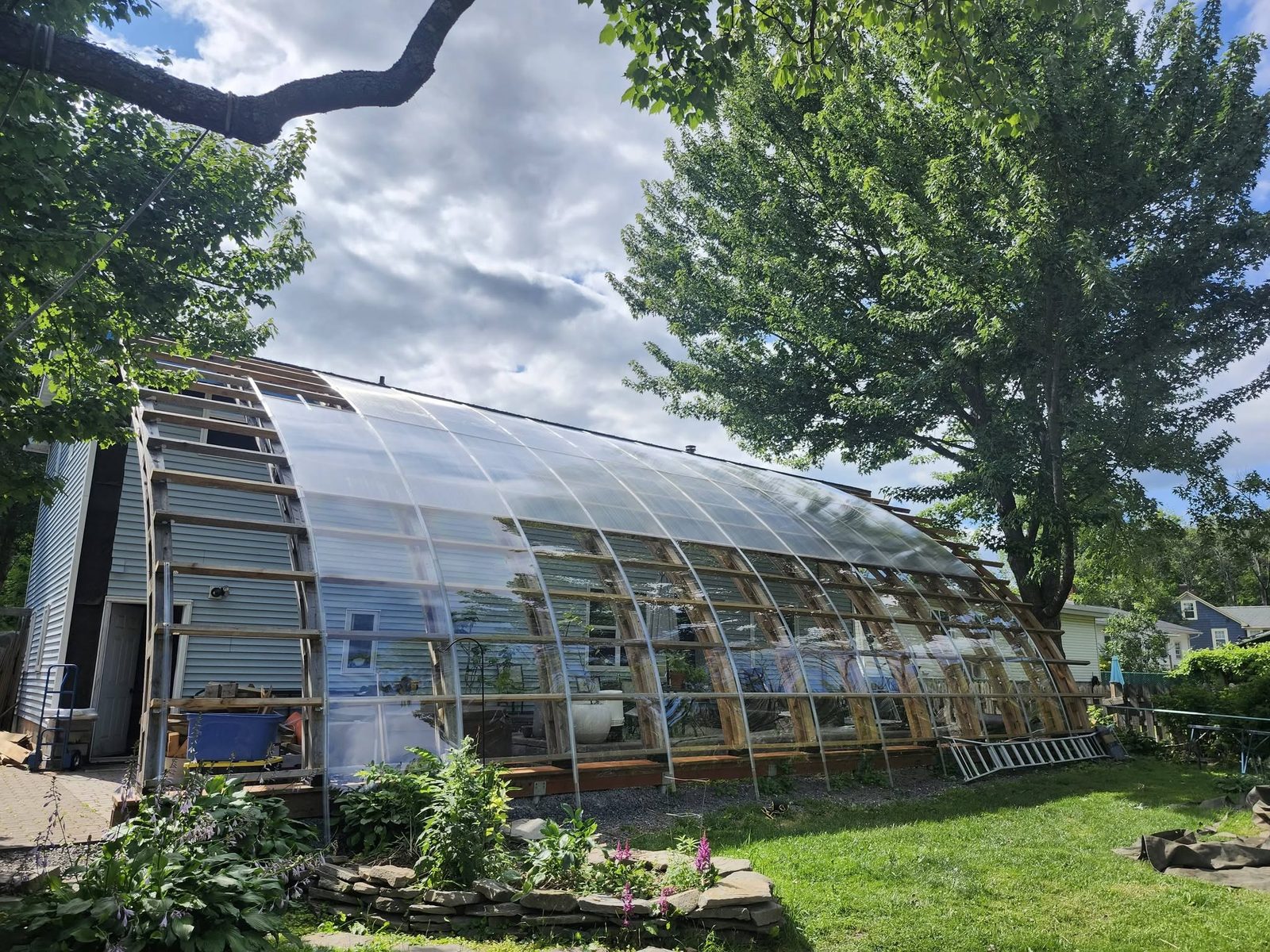
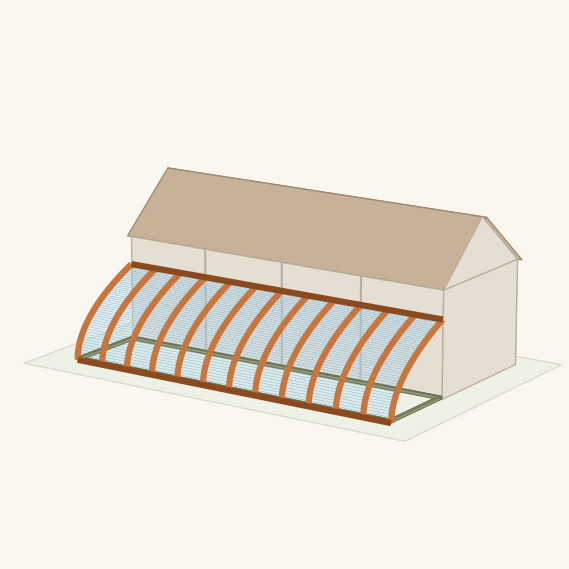
Homes in greenhouses: a fifty-year world tour
Put a greenhouse on a house and you get a sunroom. Put the house inside the greenhouse and you get something else entirely — a building with a climate around it instead of just weather.
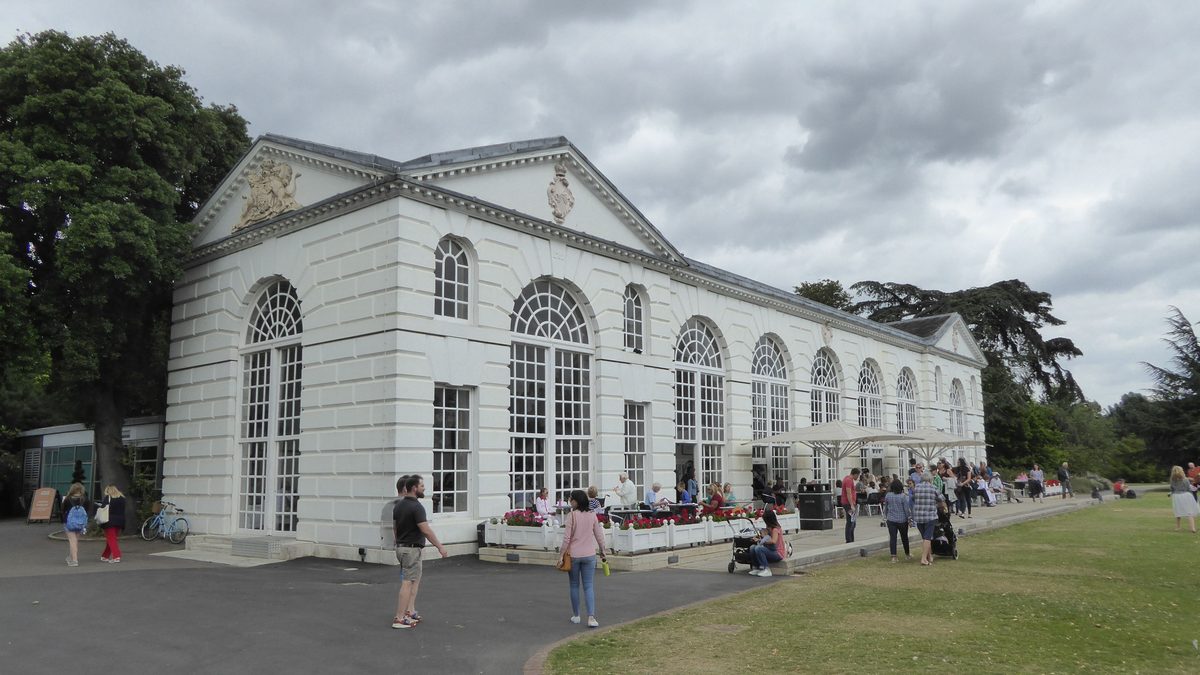
That inversion is older than it sounds. Northern Europe has been building glass rooms since the orangeries of the 1600s, where wealthy estates kept citrus trees alive through winters that should have killed them. The Victorians attached the idea to the house and called it a conservatory. But a conservatory is a room you visit. The real move — wrapping the whole dwelling in a second, glazed skin — didn't get built until the 1970s, and it's been quietly reappearing around the world ever since.
What this series covers
Over the next few weeks we're walking through the built examples, roughly in order: a Swedish architect's timber house inside glass outside Stockholm; a bioshelter on Prince Edward Island opened by a Prime Minister; earth-packed tire homes in the New Mexico desert; bananas grown at 2,000 metres in the Rockies; earth-sheltered terraces in Nottinghamshire; the Swedish revival that turned the idea into a business; and the leap to public buildings and city rooftops.
They were built by different people, for different reasons, in wildly different climates. They keep arriving at the same handful of answers — which is the most interesting thing about them.
All posts